

Tech Ed 4 Kids Partners with Parents, Students, and Teachers to Measurably Propel Student Achievement in Science, Technology, Engineering and Math

Kids and Politics….
It’s pretty amazing how much our kids 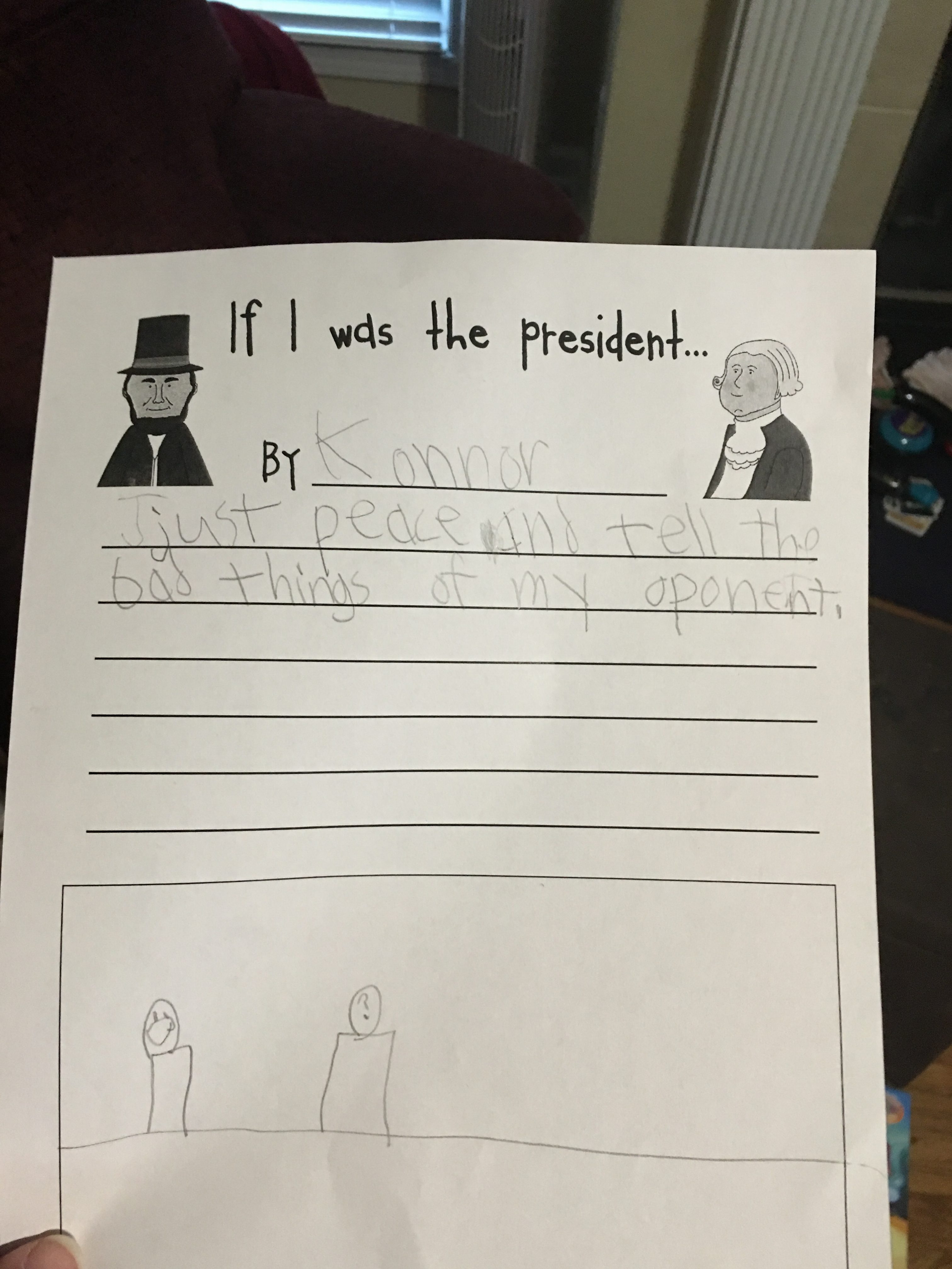 pick up from what’s going on around them. No matter how much we think they are not really paying attention. I was pretty shocked when my son’s teacher had them fill out a sheet of If I was the president at school. It’s not president’s day anytime soon – so I’m guessing it’s because of the election coming up. My son is very anti-violence, anti-bullying, anti-anyone getting hurt in any way. We had to leave the move The Secret Life of Pets because of the mean pets and only made it about 10 minutes into Jungle Book before the quick side exit occurred. – Surprisingly he does like Angry Birds, but something about it makes it tinged with good guy coming out ahead and humor that seems to make it ok for him.
With the election coming up, we have discussed a little bit at home about why we prefer one candidate over another. How horrible we think it is about some of the things being said and we sometimes have things on television… though it is actually pretty rare. Usually interspersed with the news as we are trying to catch the weather. I think when news of Hillary Clinton’s Pneumonia came out I pulled it up on my computer to check that the reports were true. I would suspect the most he gets from us are discussions between myself and friends and myself and my husband with can you believe that and in our house it’s pretty one sided and mostly directed at Oh My, I can’t believe that was said and is that true? I know with facebook, it’s pretty rare for me to publicly post what side of the line I’m on unless it’s something so funny or so outrageous I have to go with it! – And I have posted a few things with both sides of the story….
So to see this I was wracking my brain to try to figure out where the impression would be given that the president has two jobs – keep the peace (yep that’s an important one) and say bad things about his opponent. I actually have watched and President Obama has been pretty restrained despite the naysayers, birthers, and bullies that have things to say about what they think of him.
I do realize what my little one is referring to is the presidential candidates… but really anyone who is honest (and intelligent about it) would have to admit that the president’s job is not easy. No matter what you do as President there will be people that will ALWAYS think you should have done something else. Many choices are the lesser of two evils and people will never know what would have happened if the other ‘road’ was taken. So I know personally I could never fault someone for making those decisions. For the candidates that are hoping to be in that position, we hope that they know what they are facing. The question really is when you get in office, how do you make those decisions and live with your choices without thought to what everyone else is saying about your choices.
For now though, how do we protect our children from the belief that the correct way to become president isn’t on your own merit but by tearing down someone else? I know some of the ads are put out by political groups and supporters, but when the candidates themselves throw themselves into the fray and spend their time insulting the other candidate, how do we learn what the future with them would hold? What are their policies?
I want to see a candidate show how they treat a child? How they treat a puppy? How do they deal with their family? How do they deal with other people’s family? What happens if someone (just an anybody) approaches them with a question? I want to see how they handle real life? How do they handle stress? Respond to a disaster? Do they use it as a photo op or do they quietly meet with the families and arrange support in any way they can?
That’s really what I would like to know….. As for what I would like my son to know about being president….. a president keeps the peace, he serves as the face of the nation, the head diplomat between the US and all other countries, but also the rock that is there to support the nation in the event of national tragedy…. That’s what I think a president is….
Planning Vacation – Texas Drive through Safari
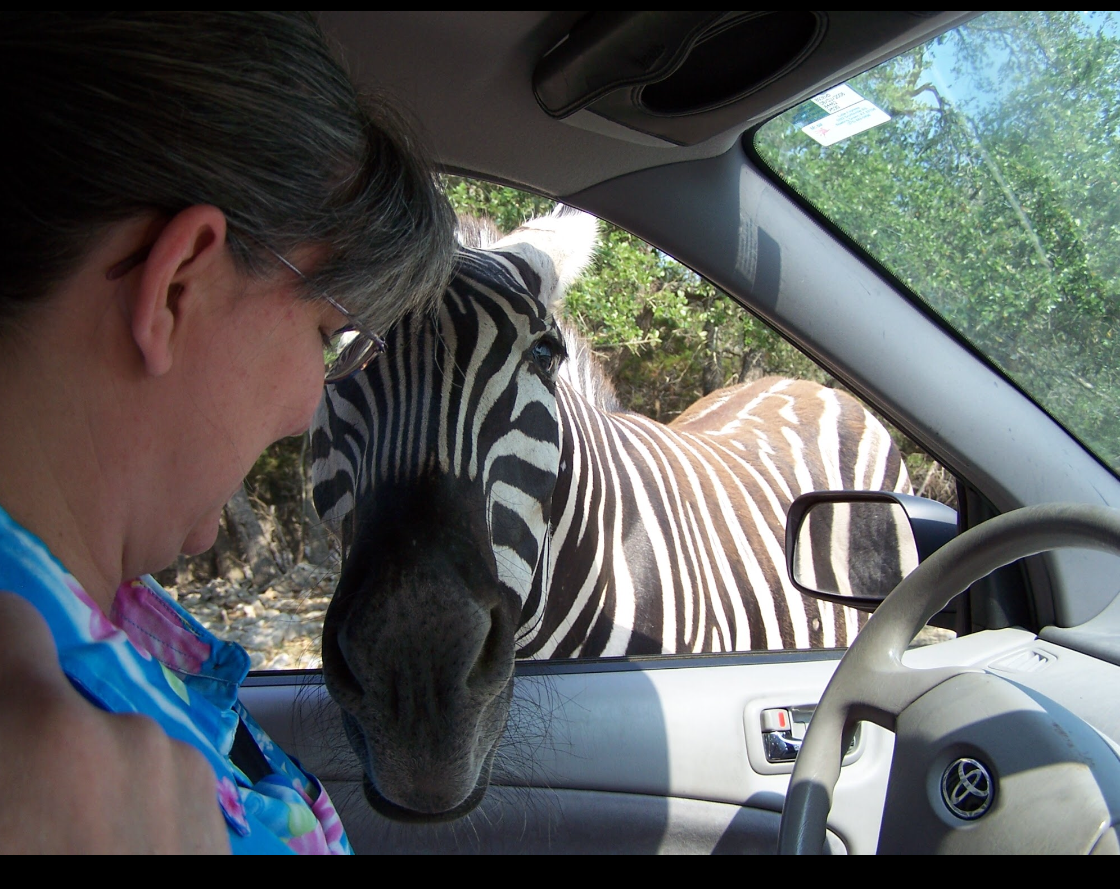
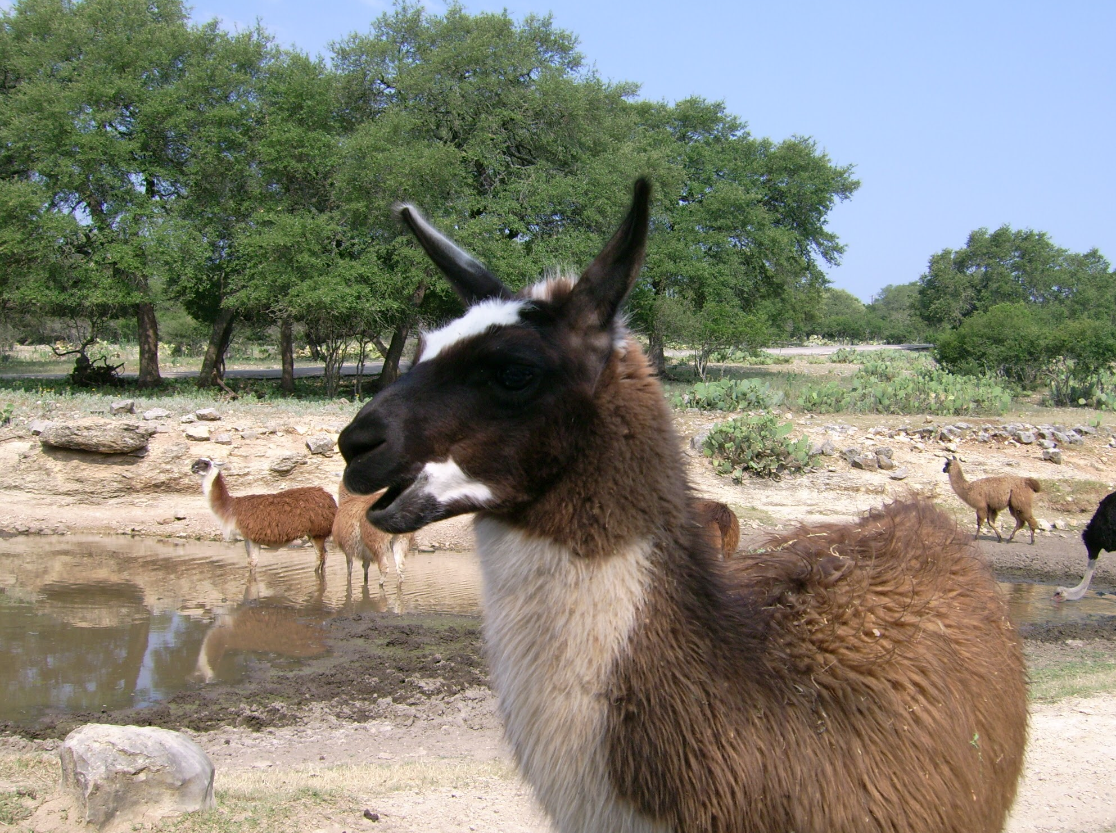
A few years ago we went on a trip to Texas and visited a few places! We were lucky enough to find a drive through safari! This one allowed us to feed the animals from the open window of the car. The animals were active early in the morning – we tried going through a few times and found that by afternoon none of the animals were out and about anymore. The animals were active though our first trip through. We had gotten food for them and stopped at each animal to try to feed them. The emus, zebras, llamas and more came to the car to get food and check out our offerings!
At one point a zebra stuck it’s head into the car and grabbed food from my lap. A few cars were so surprised at how bold the animals were that they threw the food out the window onto the ground. We saw one person jump out trying to get the food container back from an emu…. but it’s really not a great idea to leave the car and really against the rules.
We had a great time though! I now look for the drive through safaris when we are going on a trip and I’m exploring things to visit. My favorites are the ones that allow us to feed the animals and we like to go early in the morning.
We have found them in Illinois near Arcola, this one in Texas just north of the Alamo, Land between the Lakes and Tennessee so far.


3 Fun Indoor DIY Science Experiments for a Rainy Day
Kids are natural scientists in their own right. And when you’re homeschooling, the world is your canvas when it comes to teaching science, as opposed to imparting mere bookish scientific facts and knowledge in a classroom setting. You have the freedom to demonstrate what freezing and melting actually mean by showing them physical blocks of ice; you can fly a kite to teach them the dynamics of the wind; you can observe a puddle over the course of several days to observe how evaporation occurs; what’s more, there’s a never-ending array of simple science experiments which can be carried out at home to demonstrate various scientific phenomena.
Here are three enjoyable yet educative science experiments that are ideal to be conducted indoors with your kids on a rainy day.
Happy Rainy Day!
Pitter, patter raindrops,
Pitter, patter raindrops,
I’m wet through,
And so are you!
Remember this nursery rhyme? While you’re listening to the rhythm of the falling rain outside, here’s a simple condensation experiment perfect to learn about how raindrops form from water vapor in the clouds above.
Requirements:
- A kettle
- Ice cubes
- Water
- A glass jar
- A plate
Procedure:
- Heat water in the kettle till it starts steaming.
- Carefully pour it into the glass jar so that the jar is filled to just less than the halfway level.
- Place the plate as a lid to cover the jar.
- Let it stand for about two or three minutes.
- Now place a couple of ice cubes on the plate which is acting as a lid over the jar.
- Within a couple of seconds you’ll notice flecks and small streams of water running down the insides of the jar – just like rain!
 Explanation:
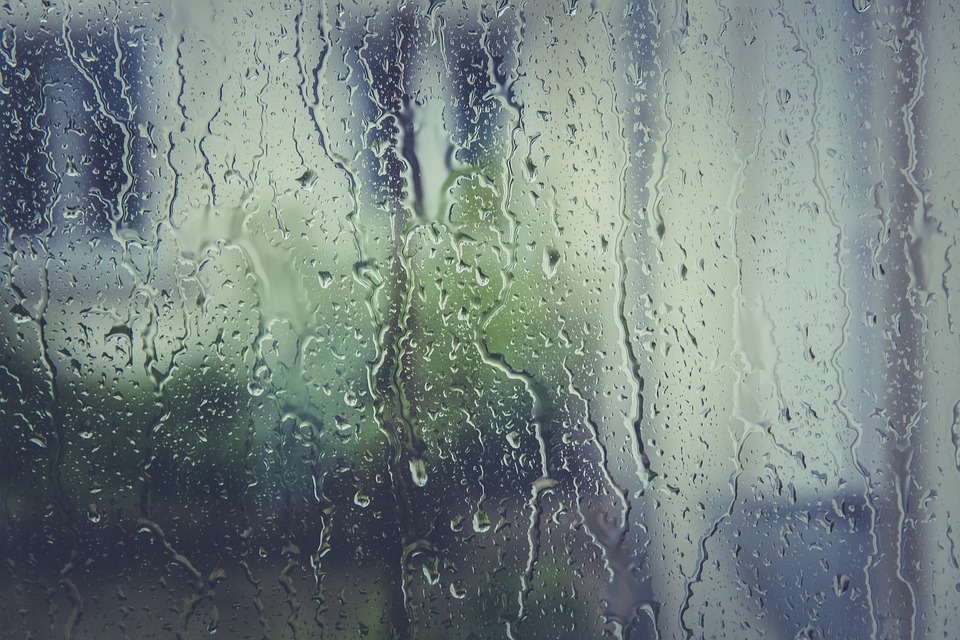
The warm air inside the jar contains moisture. The plate kept on the top of the jar becomes cold when ice cubes are placed on it leading to condensation – the conversion of a vapor or gas to a liquid – and water droplets are formed. The same process on a larger scale happens in the earth’s atmosphere when it rains – warm air laden with moisture rises up, comes into contact with the colder air already present there and condensation occurs, leading to precipitation with falling raindrops.
Happiness is… a slice of pizza
There’s no better feeling in the world than a warm pizza box on your lap.
More so when it’s raining outside and you just need to bite into something warm and cheesy. What about whipping up a homemade pizza on the occasion (loaded with as ma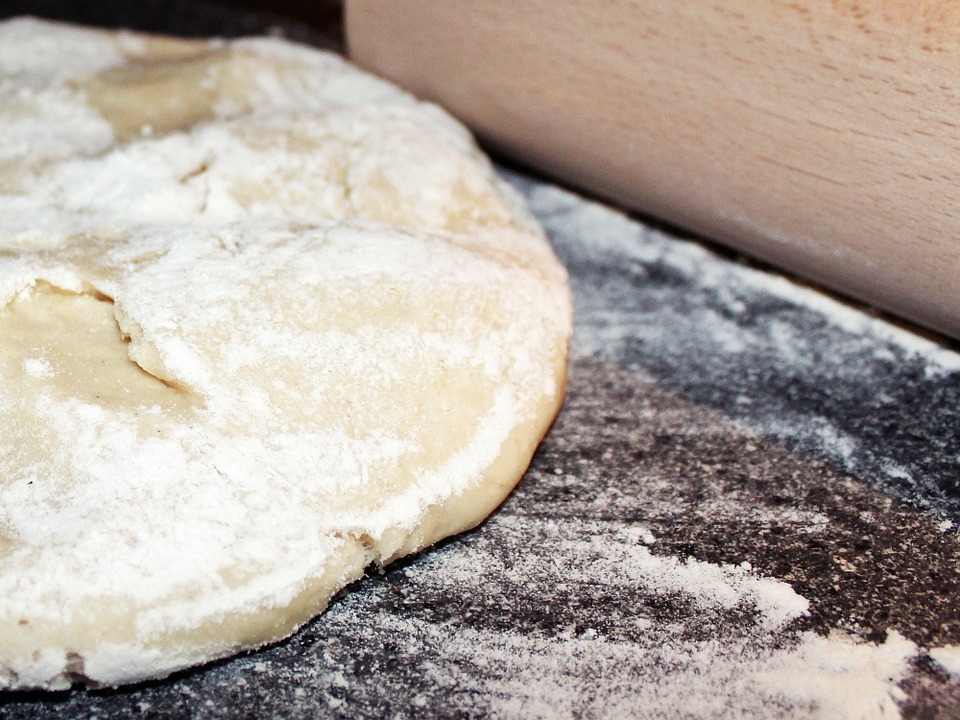 ny dollops of cheese as you want) and learning about the science behind how pizza dough is formed in the process?
Requirements:
- Whole wheat flour
- Sugar
- Salt
- Oil
- Yeast
- Water
- A jug
- A mixing bowl
Procedure:
- Take the jug and fill it three-fourths with warm water.
- Dissolve 2-3 tablespoons of sugar in the water.
- Mix about 8-10 grams of yeast into this sugar solution.
- Add salt to flour in a mixing bowl.
- Slowly keep adding water to it till the flour mixture takes the form of elastic dough.
- Knead and work at it well – the kids will have a gala time getting their hands messy in this step.
- Allow it to stand for 80-90 minutes.
- Once this time period has elapsed, observe how the dough has risen and increased in size.
- One more round of kneading and you just need to add the necessary toppings, cheese and pop the pizza into the oven!
Explanation:
Yeast is actually a type of fungus – a living organism – which needs air to breathe and eventually energy to sustain itself (what we call respiration in living things). As a result of this respiration, carbon dioxide is produced as a by-product which leads the pizza dough to rise up and increase in size.
You can’t eat without ketchup!
Mmmmmm… Ketchup!
Now this is something that needs no introduction. You need it with your burger, fries, hot dog and most of all, with pizza. Here’s a fun science experiment that has everything to do with ketchup.
Requirements:
- Salt
- A see-through plastic bottle (preferably one liter)
- Ketchup sachet
- Water
Procedure:
- Fill up the plastic bottle with water.
- Add a sachet of ketchup to the bottle of water.
- If it sinks, add 4-5 tablespoons of salt to the water. Keep adding salt and shaking the bottle till you observe the ketchup sachet has risen up and is floating near the top of the water level.
- If it floats near the top of the water level, screw on the cap of the bottle.
- In either of the above cases, the next step would be to squeeze the plastic bottle.
- On squeezing, the ketchup sachet will sink to the bottom; when you release, the sachet will rise up and float.
Explanation:
Density – defined in simple terms as the amount of mass an object has works like this: If an object weighs more than an equal volume of water, it is denser and it will sink. How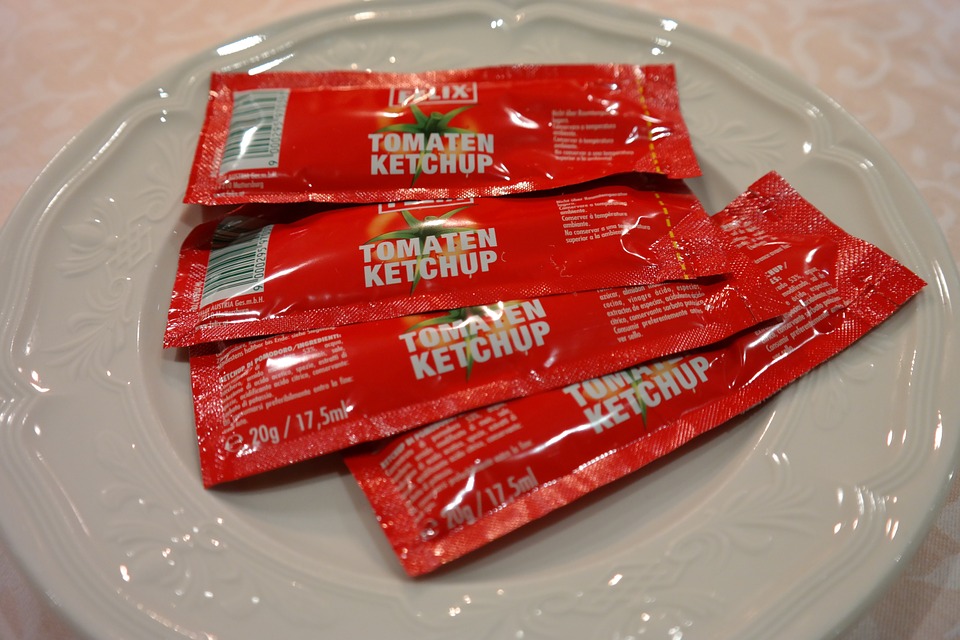 ever if it weighs less than an equal volume of water, it is less dense and it will float. A bubble floats on water since the air trapped inside it as well as the bubble itself is very light (and less dense than the water). Think of the ketchup sachet as having a little bubble (of air) inside it. When the sachet floats on water, it’s like a bubble floating on water. When we add salt to the water, we change the density of water (make it more dense than before), hence enabling the ketchup sachet to float easily on it rather than sink. When the bottle is squeezed, the ketchup sachet experiences pressure on it, leading to the bubble inside it to get smaller (more dense than the water around it) and hence it sinks. When the same pressure on the bottle is released, the bubble expands, the ketchup sachet becomes less dense and floats back up to the surface of water. It is all a play of density and buoyancy (the tendency of something to float in a liquid).
Any more exciting science experiment ideas to add to the rainy day list?
Author Bio:
Corinne Jacob is a wannabe writer who is convinced that kids learn best when they’re having fun. She is constantly on the lookout for new and exciting ways to make learning an enjoyable experience. Corinne loves all things that scream out un-schooling, alternative education and holistic learning.
Tinker Crate (Kiwi Crate)
Summer is half over here…. We are always looking for things to do that are fun… My little one really doesn’t like to leave the house much, so an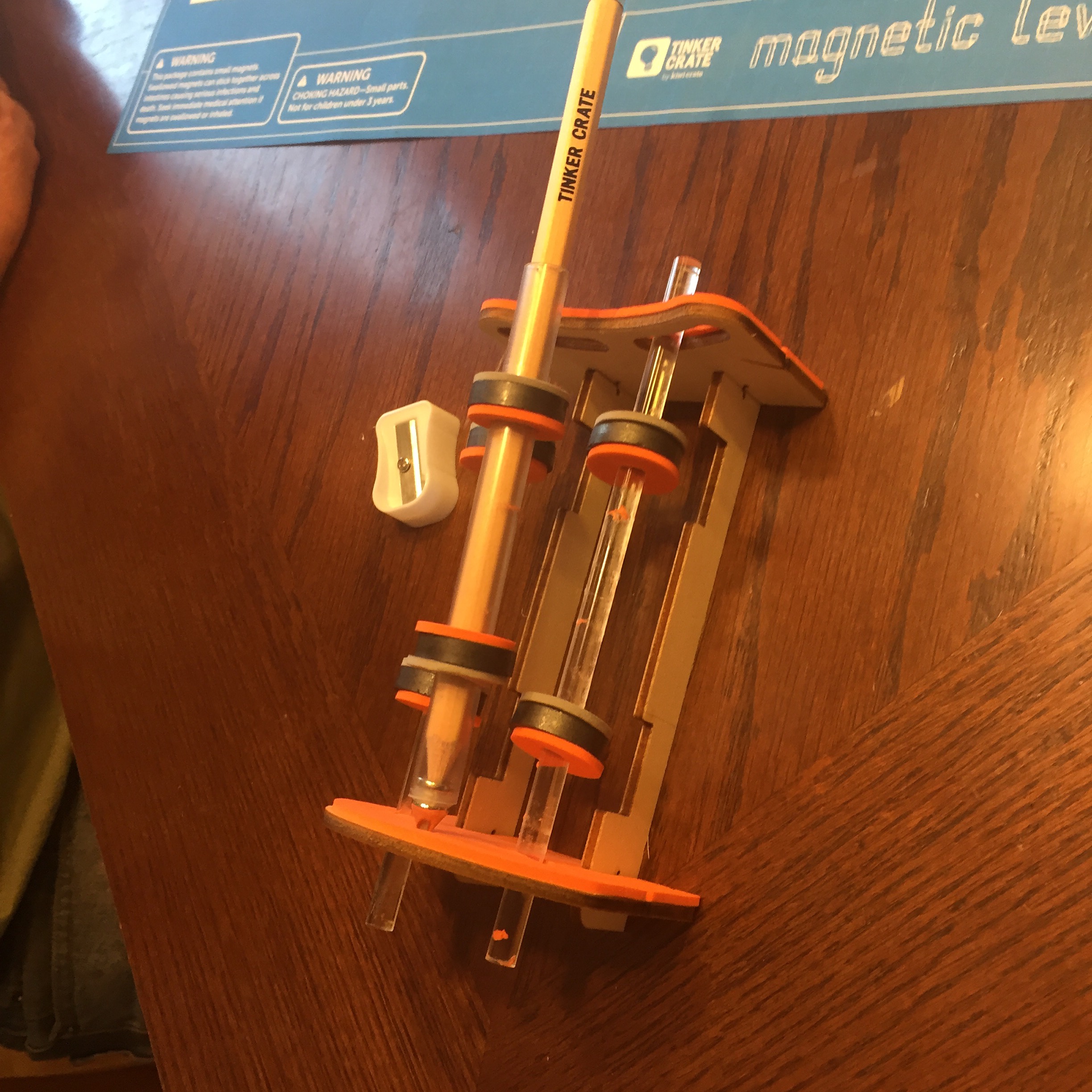 y activities we can do at home are even better.
This summer we’ve added Tinker Crate to our list! It’s a subscription service and has an activity each month as well as some learning activities. This month includes a lava lamp, last month we got to build a levitating pencil holder. We learned all about magnets, their poles, attraction, and More!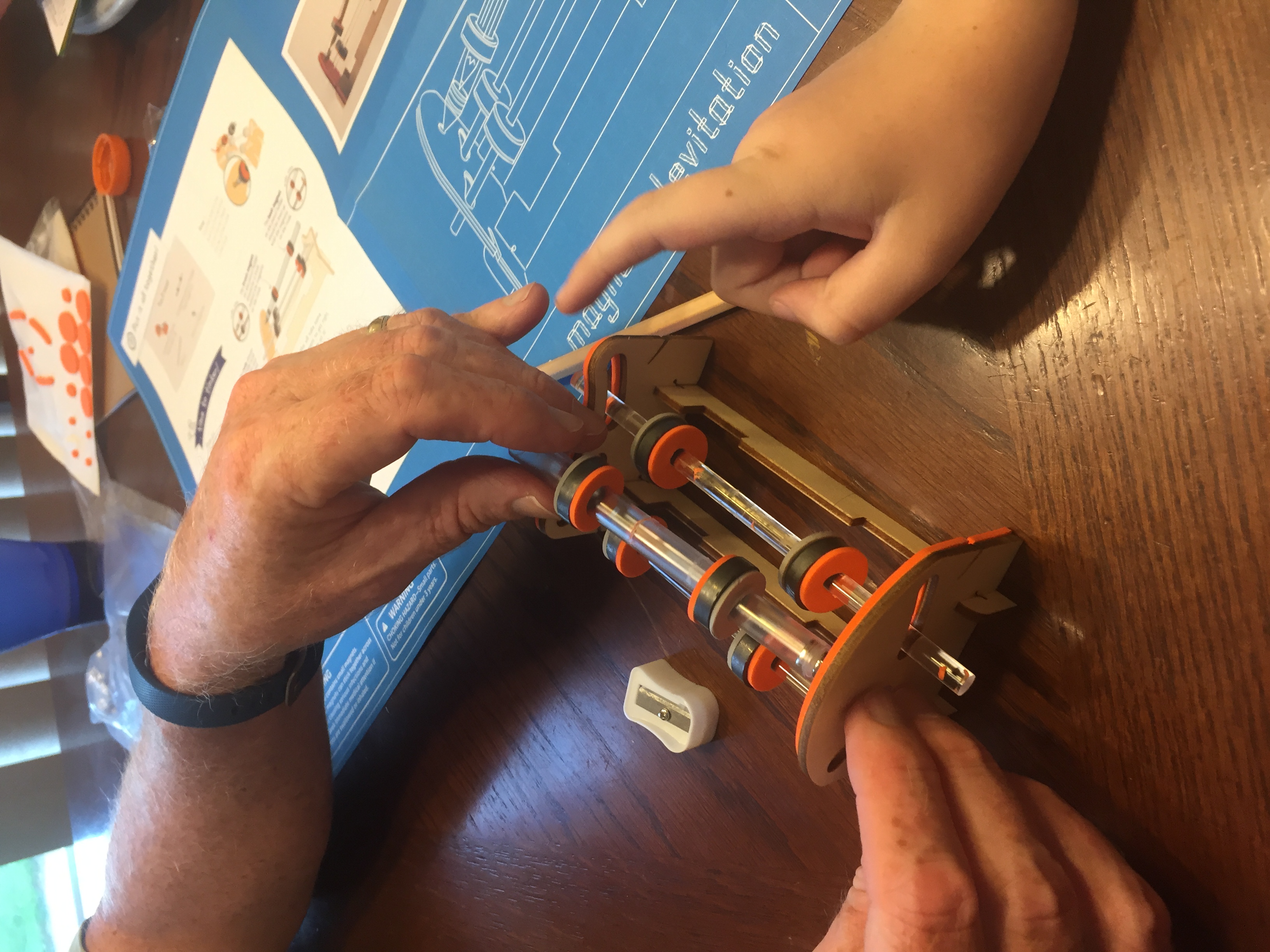
The kit came with a magazine with other activities to try, an instruction sheet with directions and the parts for the levitating pencil holder. The age range really started at 9 for the kit we were building but my little one – 7 years old, got a lot out of it!
This was a great way to extend the science from the school year. Kiwi Crate has younger crates as well as a Doodle Crate that I’m looking at signing up for. There is even a koala crate for ages 3 to 4 years old!
I can’t wait to try our lava lamp!
Space and Rocket Center – Huntville (Earthcam)
Last November we visited the Space and Rocket Center in Huntsville.
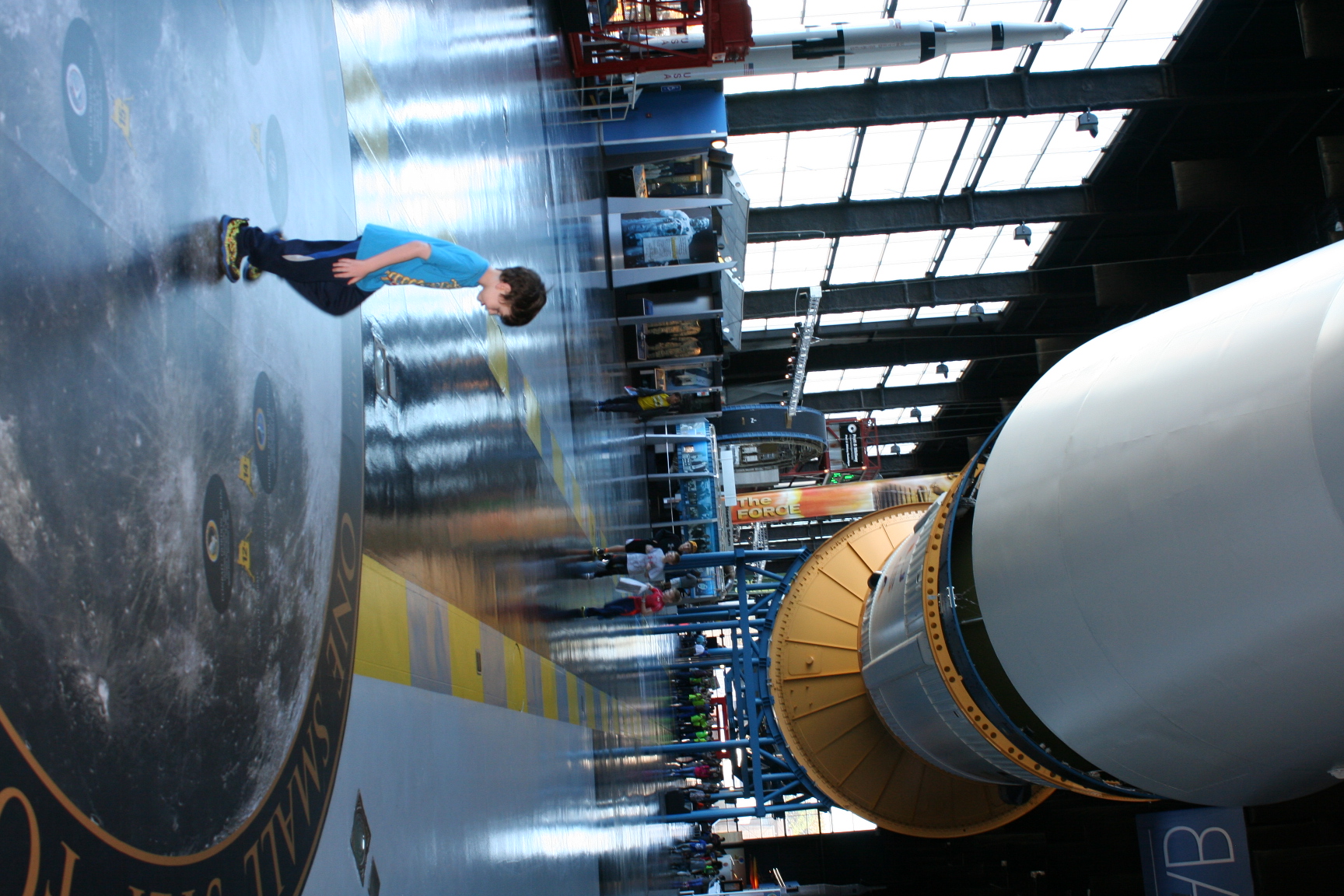
Before going we checked out their site. They have lots of fun things you can do – including camps. My oldest went to space camp around 2005 and the camps are still going strong.
Their website includes resources for education, what activities are going on today, and even directions and pricing. Did I mention the IMAX has movies that include Robots right now (some of the camps include robots also.)
While checking out the site I noticed they have a new EarthKAM Image Gallery. Looking at the images, it is interesting to try to identify what the image is looking at. – There is also a folder called Annotated Images that includes the images marked with well known locations.
Search the Sally Ride EarthKAM Image Gallery or Image Collections to see annotated and composite photos, as well as our all-time favorite Sally Ride EarthKAM images.
Images can be downloaded and also printed on Shutterfly.
We have visited the Space and Rocket Center before, but I’m always amazed by how large the rockets are.
Science Night at the School
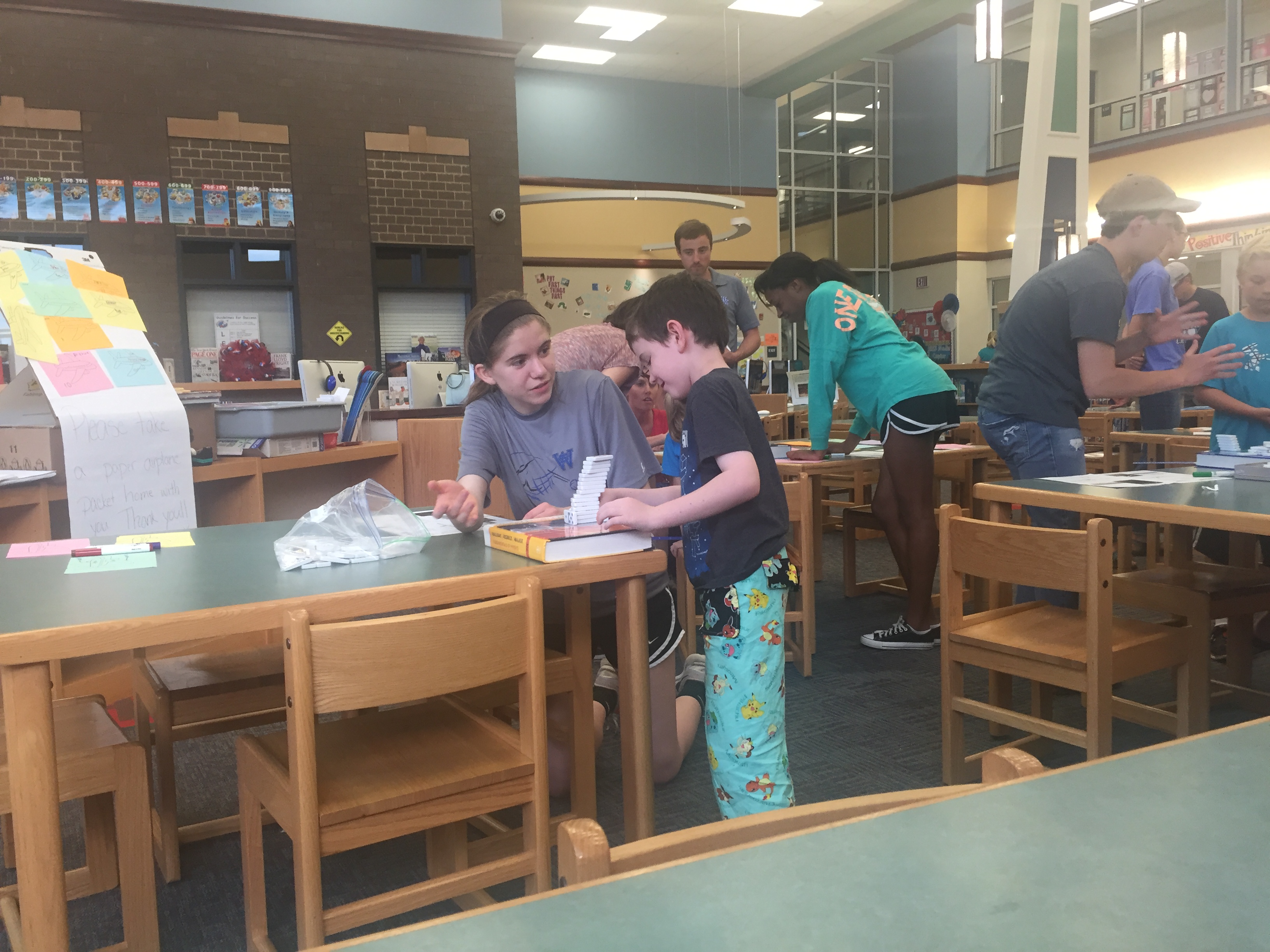
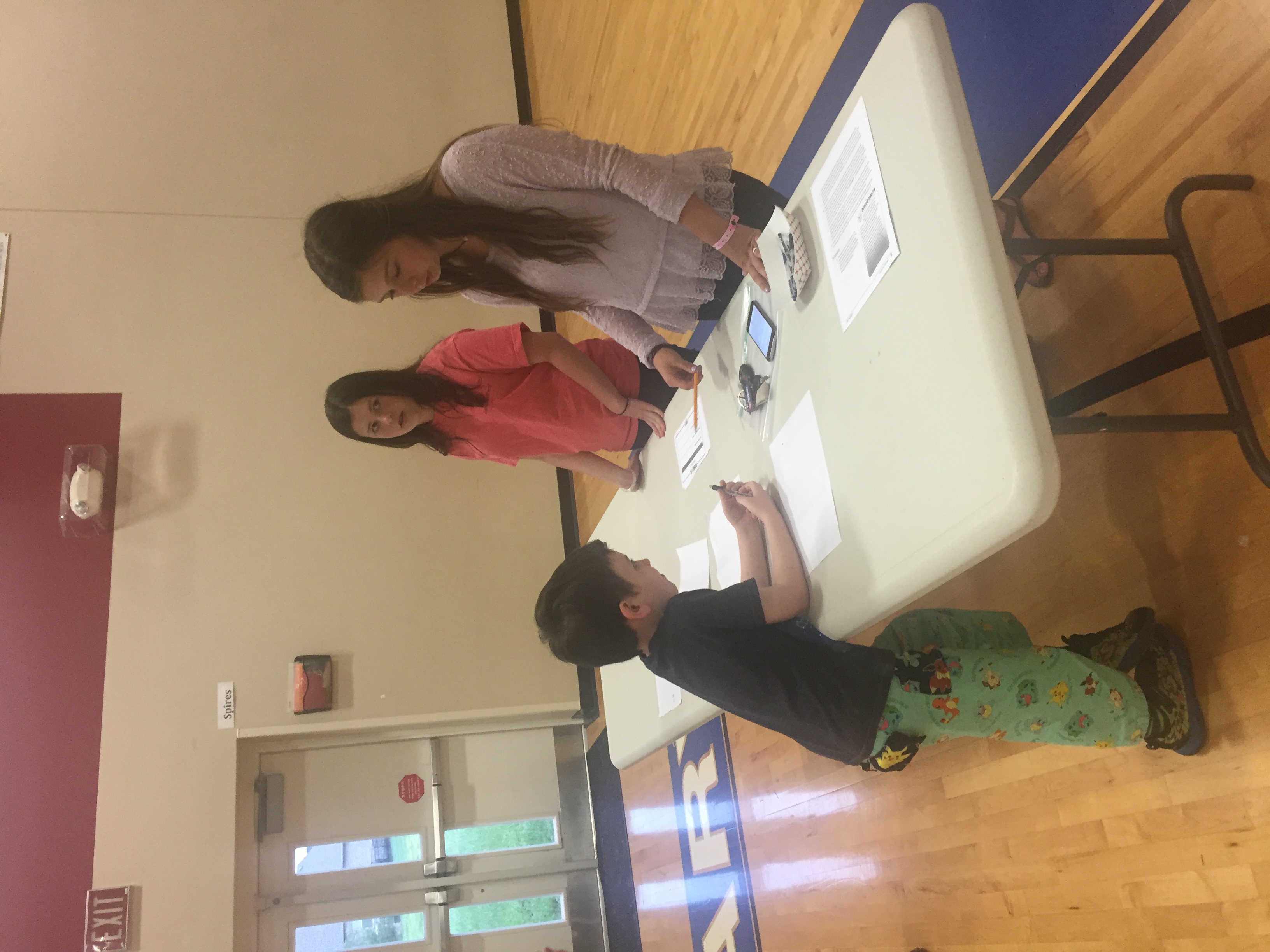
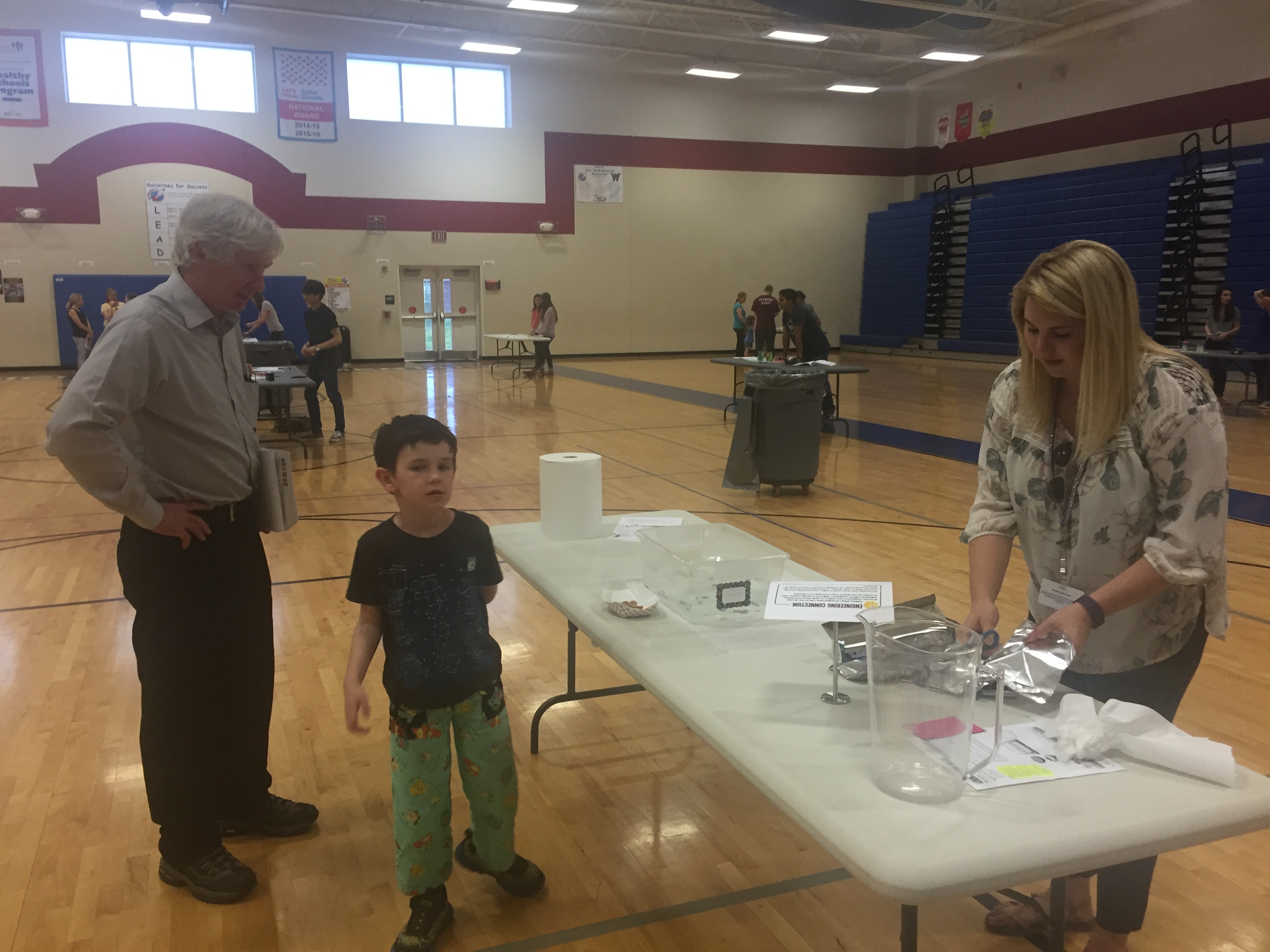
Our local grade school just held a science night. We go to all the nights, math, science, art night! Art night the parking lot is packed! Not so for math and science. Art night the kids preform and their items are on display whereas math and science night include hands on science and math activities. For science night, we got to do activities that included volume, cars and coefficient of drag using a fan with racing matchbox cars, arches, and engineering and building an aluminum foil boat. The nice thing was that there were no lines, all the activities were open to try. The kids that did come were having a GREAT time. The question is how to get more kids to attend? Was it because there were no scripted activities like performances that the students were included in? No pictures or papers hanging on the walls to check out how our students have done?
The other thought I had was if there had been a large turn out, would everyone have enjoyed it as much? The activities were all hands on. A large turn out would have required waiting at each table. I know we tend to avoid activities where we will have a lot of standing around waiting around and waiting our turn.
What’s a good way to get a better turn out? Are there activities for larger groups at one time? All in all though we enjoyed science night ourselves, but we were very disappointed with the low turn out – just for what it says about the general publics thoughts on science in general.
About Me
 I am a SAHM/WAHM of three boys ranging in age from 16 to 32. We are working on saving enough for college at the same time as dealing with school and our older independent kids. I author a few blogs, including http://teched4kids.com. I have in the past taught computer information technology classes for the local university and taught workshops for kid's in technology education besides being the Kentucky State FIRST LEGO League Championship Coordinator from 2005 to 2008. I now work as a computer consultant, run a handmade home business, and am available for workshops. Life here is always an adventure!